
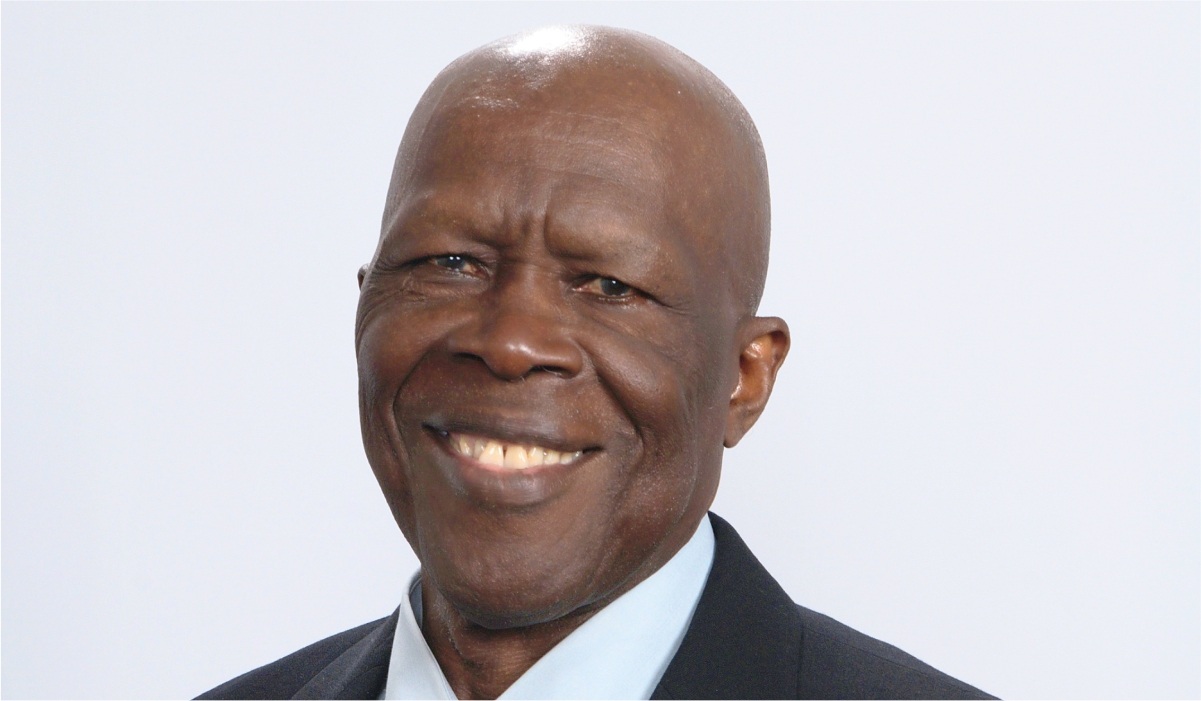
Why Prof. Humphrey Nwosu?
Professor Humphrey Nwosu was born on October 2, 1941, in Ajalli, Anambra State, Nigeria. He pursued his academic formation with distinction, earning degrees in Political Science from the University of Nigeria, Nsukka, where he achieved First Class Honors, and a doctorate from the University of California, Berkeley, where he graduated Magna Cum Laude. He returned to UNN as a senior lecturer and rose to the rank of Professor of Political Science, contributing significantly to scholarship on governance, public administration, and democratic theory. His intellectual roots at UNN shaped his lifelong commitment to rigorous inquiry, institutional integrity, and the advancement of democratic ideals.
In 1989, Prof. Nwosu was appointed Chairman of the National Electoral Commission (NEC) by President Ibrahim Babangida, succeeding his former teacher, Prof. Eme Awa. At the age of 48, he assumed responsibility for one of the most consequential assignments in Nigerian history: organizing a credible transition from military to civilian rule. Under his leadership, NEC introduced the innovative Modified Open Ballot System, a transparent voting method in which citizens in a polling station were accredited in public and cast their vote in secret. This bold reform eliminated many opportunities for electoral fraud and restored public confidence in the electoral process.
The culmination of Prof. Nwosu's tenure was the June 12, 1993, presidential election, an election that has been acknowledged nationally and internationally as among the freest and fairest in Nigerian history. The election transcended deep ethnic, religious, and regional divides, with Chief M.K.O. Abiola winning decisively across the country. International and domestic observers alike affirmed the credibility of the process. Despite the subsequent annulment of the election results by the military government, a decision that plunged Nigeria into political crisis, the June 12 election remains a defining benchmark for democratic aspiration in Africa.
Throughout this ordeal, Prof. Nwosu demonstrated unwavering integrity, courage under immense political pressure, and an unshakeable commitment to transparency and the rule of law. His calm demeanor, intellectual depth, and refusal to compromise the credibility of the electoral process, even when confronted by the full weight of military authority, made him a model of principled public service. His published works, including Laying the Foundation for Nigeria's Democracy: My Account of June 12, 1993 Presidential Election and its Annulment, have contributed lasting scholarship to Nigeria's political history. Prof. Nwosu's legacy as a scholar, reformer, and champion of electoral integrity makes him the ideal namesake for a center dedicated to democracy and human rights in Africa and beyond.